What to Expect at IBEW Apprentice Orientation
You got the call, you accepted the spot — now there's an orientation date on your calendar and nobody told you what happens there. Here's what it covers, what to handle before day one, and what your first weeks actually look like. I'm an IBEW Local 134 journeyman and I teach a federally recognized pre-apprenticeship, so I've walked a lot of first-years through exactly this.
Quick Answer
IBEW apprentice orientation is onboarding for accepted apprentices — paperwork, program rules, safety expectations, and a series of orientation lessons covering the IBEW, your JATC, and your obligations as an apprentice. It is not a test to weed you out; you are already in. Format and length vary by local.
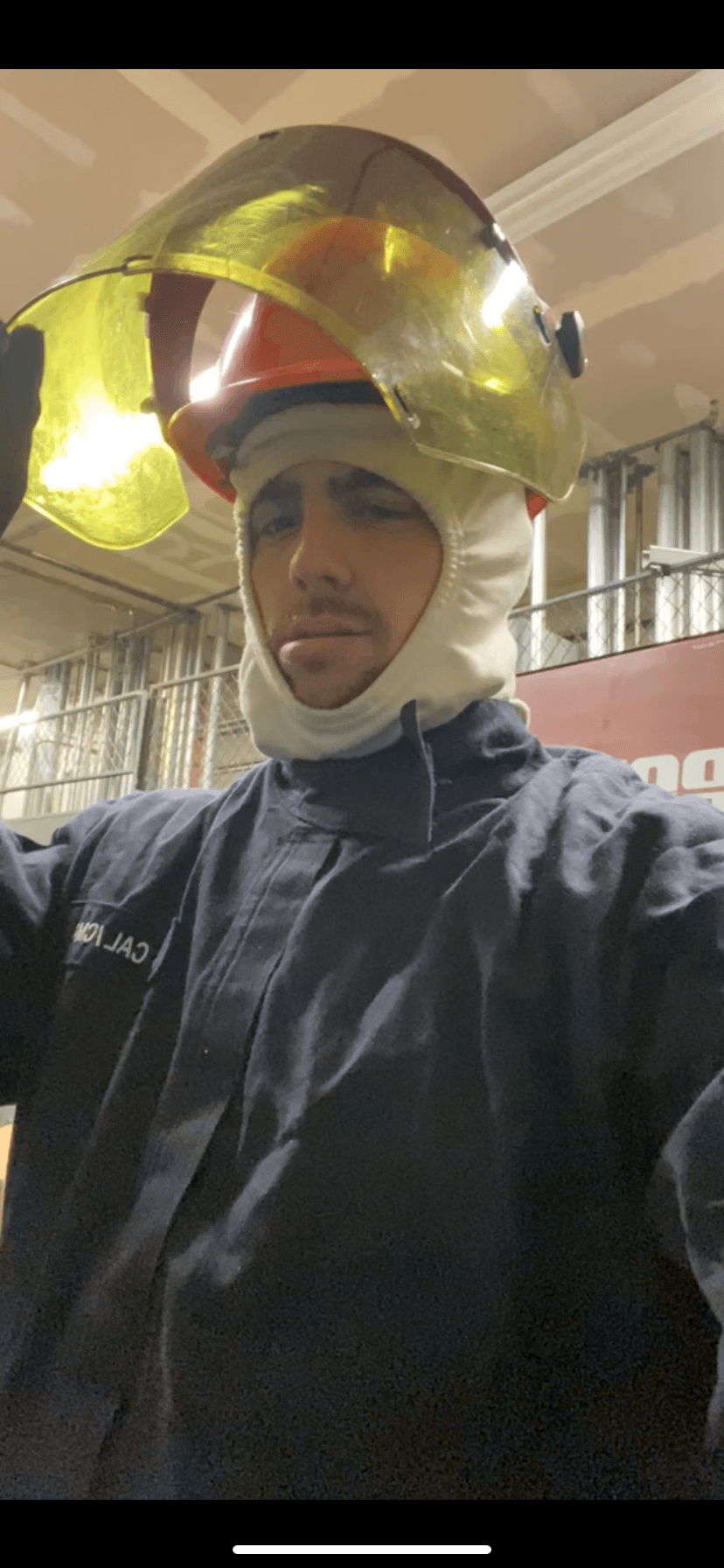
What Is IBEW Apprentice Orientation — and What Isn’t It?
Orientation is the bridge between “you’re accepted” and “you’re on a job site.” The JATC uses it to process your enrollment paperwork, explain how the apprenticeship is structured and funded, set the professionalism standard, and walk you through the orientation lessons before your first dispatch.
What it isn’t: another selection round. The aptitude test and the panel interview were the gates — orientation assumes you belong there. The apprentices who get in trouble at orientation don’t fail some hidden exam. They show up late, blow a paperwork deadline, or treat the day like a formality. Everyone watching you — the training director, the instructors — will be writing recommendations and picking crews for the next five years. Treat orientation like day one of the job, because it is.
What Happens Before Day One?
Most of orientation’s stress is avoidable, because most of it is logistics you can handle in advance:
- Paperwork. Enrollment forms, direct deposit, emergency contacts, union paperwork. Return everything by the stated deadline — late paperwork is your first impression, and it’s the wrong one.
- The drug test. Nearly every local runs a pre-employment screen, and many test randomly during the program. If you have questions about what’s tested and when, read the IBEW drug test policy breakdown before your test date — not after.
- Documents. Bring your ID, diploma or GED, transcripts, and anything else your acceptance packet lists. Make copies. Bring the copies too.
- Transportation. Your license should be current and your ride reliable. Job sites move across the local’s whole jurisdiction, and orientation is where they’ll tell you how dispatch works.
- Money reality check. First-year pay starts around 40–50% of journeyman scale — see the IBEW apprentice pay scale year by year — and your first check can lag a week or two behind your start date. Budget for the gap.
What Do the IBEW Orientation Lessons Cover?
Many locals assign a set of structured orientation lessons — delivered online through the Electrical Training Alliance platform or in a classroom — each ending with a short quiz. If you’re searching for the quiz answers lesson by lesson, stop: the quizzes are open-book comprehension checks, not exams, and the material is genuinely worth knowing. Here’s the ground the lesson sequence covers and why it’s in there. Titles and numbering vary by local and platform version, so treat this as the map, not the street signs.
Lesson 1: The IBEW and the organized electrical industry
History and structure — how the IBEW was founded in 1891, how it partners with NECA contractors, and how the JATC that runs your apprenticeship is funded by both sides. Why it matters: you’re joining an institution, and the panel that interviewed you expects you to understand whose shoulders you’re standing on.
Lesson 2: How your apprenticeship actually works
The mechanics: on-the-job hours, classroom requirements, raise steps tied to hours and grades, and who your obligations run to — the JATC, your contractor, and the local. This is the lesson people search for help with the most, and it’s also the one you’ll wish you’d actually read in month three when you’re wondering how your next raise step gets approved.
Lesson 3: The apprentice standard — professionalism and accountability
Attendance rules, conduct expectations, what gets apprentices disciplined or dropped. When I teach pre-apprentices, this is the material I hammer hardest: the trade runs on reliability. Miss class nights or show up late to dispatch and no amount of talent saves you.
Lesson 4: Safety culture and jobsite basics
Why the electrical trade treats safety as identity, not paperwork — lockout/tagout thinking, PPE, and the fact that most locals will run you through OSHA 10, CPR, and first aid during your first year. You don’t need any of those cards before day one; the program provides them.
What Should You Expect Your First Week on the Job?
Shortly after orientation you’ll be dispatched to a signatory contractor, and the real education starts. The first week is simpler than people expect — and harder:
- You’ll do grunt work. Material runs, cleanup, digging, watching. That’s not hazing; it’s how crews learn whether they can trust you. First-years who attack the boring work get taught the interesting work sooner.
- Ask before you touch anything energized. Nobody expects a first-year to know things. They expect you to ask. Guessing around electricity is how people get hurt.
- Keep a notebook. Every term, material name, and task you didn’t know — write it down, review it at night. This one habit puts you ahead of half your class.
- Phone stays in the pouch. The fastest way to earn a bad reputation on a job site is to be the apprentice on their phone.
What Tools Do You Need?
Less than you think, and later than you think. Do not walk into orientation having spent $800 at the supply house. Most JATCs hand out an official tool list at orientation, and some contractors supply part of it. When you do buy: the typical first-year basics are lineman’s pliers, side cutters, needle-nose, channel locks, strippers, a multi-bit screwdriver, nut drivers, a torpedo level, a 25-foot tape, a utility knife, and a pouch to carry them — plus safety-toe boots and a non-contact voltage tester. Buy mid-grade, mark everything with a paint pen, and upgrade the tools you touch every day once you know which ones those are.
Free download: First-Year Apprentice Checklist
Everything above as a printable two-page checklist — paperwork, tool bag, first-week habits, and the classroom survival rules.
The Part Nobody Warns You About: The Classroom
Here’s the honest instructor take: first-years almost never struggle with the physical work. They struggle with the classroom — fractions, algebra, Ohm’s Law, and learning to navigate the NEC — on top of full workdays. Missing class is the #1 way apprentices wash out. Fifteen minutes of practice a day beats cramming the night before every exam you’ll take for the next five years. That daily-reps habit is exactly what the Sparky AI app was built for: 355+ NEC-backed reference modules, electrical calculators, exam practice, and an AI that answers code questions in plain English — with the article citation.
Frequently Asked Questions
How long is IBEW orientation?
It varies by local. Some JATCs run orientation as a single half-day or full-day session; others spread it across several evenings or fold the orientation lessons into your first weeks of class. Your acceptance packet will state the schedule — plan to attend every minute of it.
Is IBEW orientation paid?
Usually not. Orientation typically happens before you are dispatched to a contractor, so most locals treat it as unpaid onboarding. Paid work starts when you are placed with a signatory contractor. Policies vary by local — ask your JATC if it matters for your planning.
Can you fail IBEW orientation?
Not in the exam sense — orientation is onboarding, not a weed-out. But you can lose your spot by skipping it, missing paperwork deadlines, or failing the drug test. The orientation lesson quizzes check comprehension; showing up prepared and on time is what actually matters.
What should I bring to IBEW apprentice orientation?
Bring your ID, any documents your acceptance packet lists (diploma/GED, transcripts, driver’s license), something to write with, and a notebook. Do not buy tools before orientation — most JATCs hand out an official tool list there, and some contractors supply part of it.
Related Resources

Michael Briglio
IBEW Local 134 Journeyman · Licensed Contractor · IL Educator
Michael started in the IBEW at 18 and made foreman as a 3rd-year apprentice. Thirteen years in, he’s a Local 134 journeyman, a licensed electrical contractor, a licensed Illinois teacher, and OSHA 30 and EPA 608 certified. He teaches a federally recognized pre-apprenticeship on the south side of Chicago — where he’s helped 100+ students get into the IBEW. He built Sparky AI around exactly what the NJATC exam tests and what trips people up. Prep with this and you walk in ready.
Facts on this page trace to primary sources or first-hand IBEW Local 134 experience — see sources & methodology.